

Kwankwaso/Obi Support Group insists US proposes bill against Kwankwaso, politically motivated
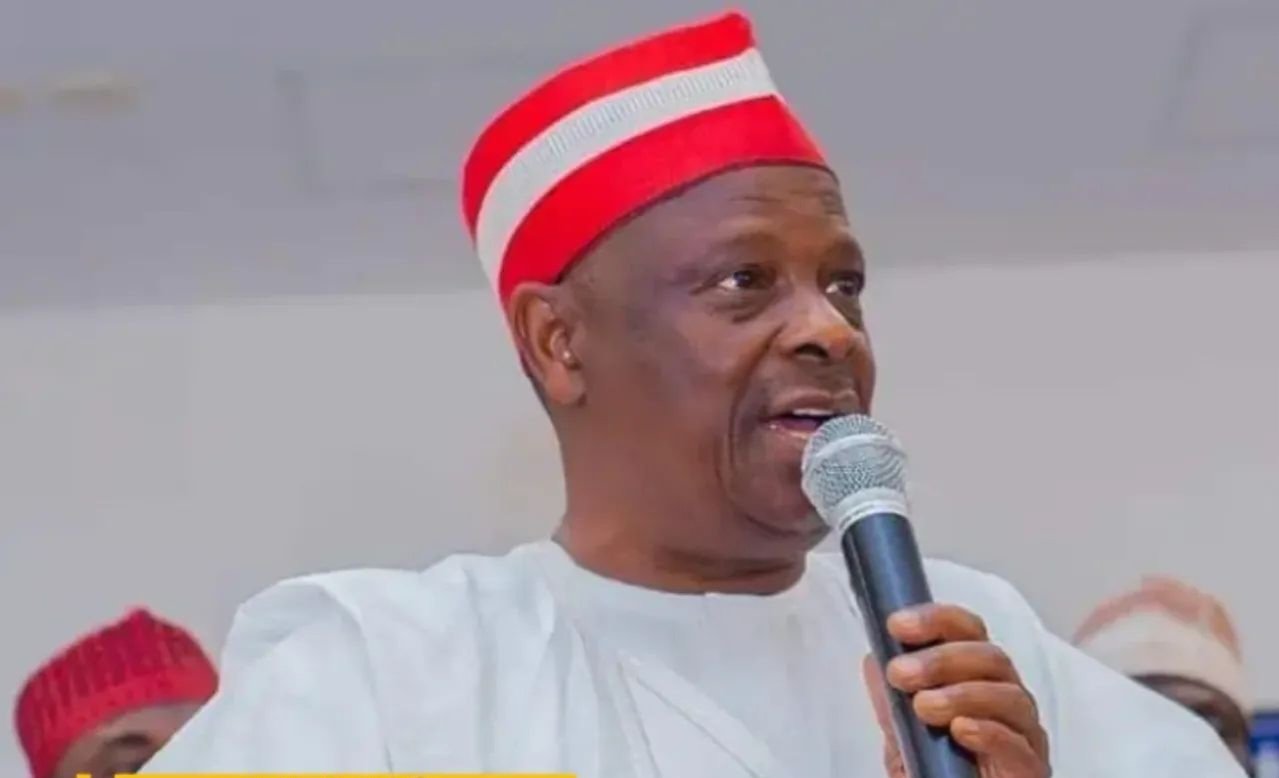
The Kwankwaso/Obi support group has faulted the proposed bill by some US lawmakers,describing it as a blatant attempt to undermine the national leader of the New Nigeria Peoples Party (NNPP) Dr. Rabiu Musa Kwankwaso’s political career.
This is contained in a statement issued on Saturday by the leader of the group, Abba Sadauki Gwale.
Gwale insisted that the move to impose a visa ban on Kwankwaso was politically motivated, aimed at silting the political landscape and stopping Kwankwaso’s growing influence ahead of the 2027 general elections.
According to the group, the US legislators’ actions are a clear case of external interference in Nigeria’s internal affairs, urging Nigerians to stand against this attempt to dictate who leads the country.
Sadauki emphasized that Kwankwaso, a prominent Nigerian politician, had been a vocal critic of the current administration’s policies, particularly on issues related to insecurity, lack of good governance and economic development.
” We view Kwankwaso’s vocal stance as what likely ruffled some feathers, making him a target for political opponents, especially at a time when his popularity is gaining momentum.
“The timing of this bill is suspicious, coming at a time when Kwankwaso is gaining popularity in Nigeria. It’s hard not to see this as a move to undermine his reputation and limit his influence.
“If the bill passes, it would set a dangerous precedent, allowing external forces to dictate who can and cannot participate in Nigerian politics. This could lead to a slippery slope where politicians are targeted for their views,” he said.
Gwale said that the proposed bill lacked concrete evidence against Kwankwaso, raising questions about the motivations behind it.
” Is it truly about promoting human rights or accountability, or is it about silting the political landscape?
“Nigerians should be wary of external interference and stand in support of Kwankwaso’s right to participate in the country’s politics. His voice is an important part of the democratic discourse.
“Rather than targeting individuals, efforts should focus on strengthening Nigeria’s institutions and promoting dialogue. This would foster a more inclusive and stable political environment”
“The international community should respect Nigeria’s sovereignty and allow its institutions to function without external pressure. The people of Nigeria will decide who leads them, not foreign governments or legislatures,” he added.


