
Jigawa recording significant progress across critical sectors- Gov Namadi
By Ali Baba-Inuwa 
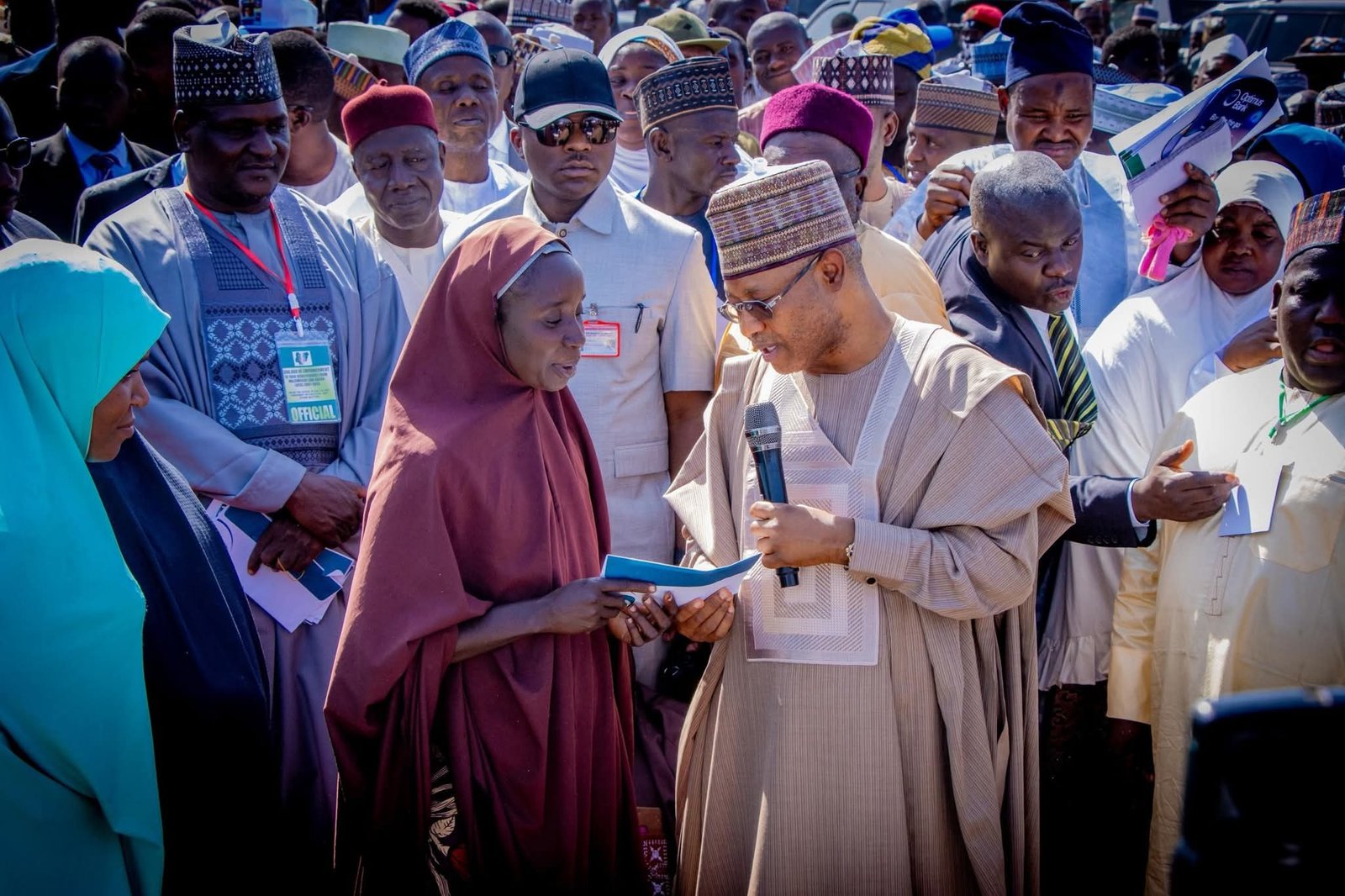
Gov. Umar Namadi says Jigawa State is recording significant progress across critical sectors through sustained investments and reforms implemented by his administration.
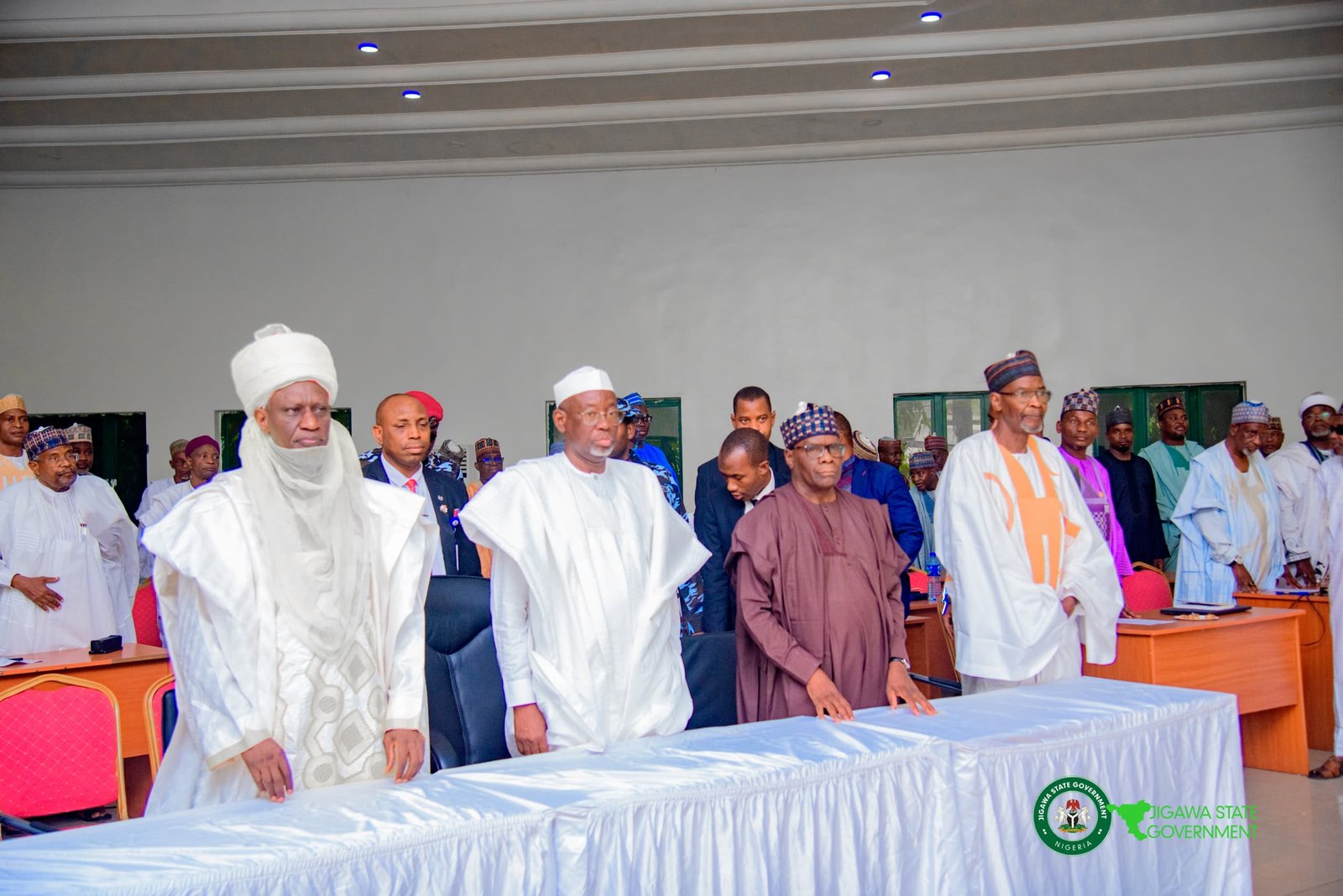
The governor stated this while speaking at the Jigawa North-East Strategic Development Forum held in Kaduna under the auspices of the Hadejia Emirate Council.
Namadi commended the organisers of the forum for creating a platform to address developmental challenges facing the region.
“The issues raised are real issues that require serious attention. And what is encouraging is that the problems were not only identified, but practical pathways toward solving them were also outlined. That, in itself, is progress,” he said.
The governor stated that despite some of the socio-economic indices presented reflecting previous realities, the state was already witnessing improvement due to government interventions.
“Some of the indices that were presented may have reflected previous realities, but I can confidently say that many of those figures are already improving because of the investments we have made across critical sectors.”
Speaking on population growth and human capital development, Namadi said his administration was focused on converting the state’s growing population into productive assets.
“Yes, population growth remains a challenge, but population can also become an advantage if properly managed. In Jigawa, we are determined to turn our population into productive human capital.”
On the power sector, the governor pointed out the impact of the pilot solar electrification project executed in Kafin Hausa, describing it as a major catalyst for economic activities in the area.
“Today, communities there enjoy nearly 24-hour electricity supply. But beyond that, what is even more impressive is the number of small businesses that have emerged as a result. Economic activities have expanded significantly,” he said.
Namadi further disclosed that the success of the pilot project had encouraged the state government to scale up investments in renewable energy through the establishment of a solar panel manufacturing plant in Jigawa State to support a proposed 100-megawatt solar power project.
According to him, the proposed power generation would be distributed across the three senatorial zones, with 40 megawatts allocated to Jigawa North-West and 30 megawatts each to Jigawa North-East and Jigawa Central, explaining that the North-West allocation was strategic because the axis hosts the Maigatari export processing zone and Jigawa industrial cluster in Gagarawa.
“The discussions have reached an advanced stage, and construction is expected to commence soon. The panels that will be used for the project will be produced locally in Jigawa,” he added.
On agriculture, Namadi said the government had entered into partnerships with four Indian companies across different agricultural value chains, including seed development, dairy production, poultry, and agribusiness.
“One of the key areas is seed development. We have already conducted successful trials at our research institutes using improved seed varieties from India. The trials covered maize, rice, and wheat, among others.”
“The maize varieties we tested yielded up to 10 tons per hectare, compared to the two or three tons currently obtained from many local varieties. The rice varieties also performed impressively, with some yielding six, seven-and-a-half, and even eight tons per hectare under our climatic conditions.”
He said the administration was also leveraging dairy development as a strategy to reduce farmers-herders conflicts and improve livelihoods.
“If we succeed with this model, it will not only increase incomes for herders and farmers, but also significantly reduce conflicts between communities,” he stated.
Governor Namadi further noted that the government was prioritising value addition and agribusiness development to strengthen the state’s economy.
“We cannot continue exporting raw produce without processing. The future lies in adding value at the local and community levels,” he said.
On education, the governor highlighted efforts by the administration to reduce educational disparities and expand access to learning opportunities, particularly in disadvantaged communities.
He disclosed that under the Danmodi Students Care Initiative, this year alone, 131 out of 150 students selected from educationally disadvantaged local governments secured admission requirements into tertiary institutions after intensive coaching programmes.
“The beneficiaries of the programme will be enrolled in health institutions within Jigawa State to study nursing and midwifery. Upon successful completion of their training, they will return to their respective communities to manage and strengthen primary healthcare centres in those underserved areas.”
Governor Namadi also spoke on efforts to integrate Islamic and conventional education through accelerated programmes for Qur’anic teachers.
“Recently, about 150 Traditional Qur’anic teachers (Alarammas) underwent accelerated education training under an initiative being implemented by the Jigawa State Tsangaya Education Board in partnership with the National Board for Arabic and Islamic Studies (NBAIS). Most of the participants successfully obtained certificates equivalent to secondary school qualifications.
“These efforts are helping us reduce the number of out-of-school children while promoting integration between Islamic and conventional education systems.”
Speaking on youth empowerment, the governor reiterated his administration’s commitment to providing sustainable livelihoods through agriculture, entrepreneurship, and vocational training programmes.
“Through our Rice Millionaires Programme, many beneficiaries are now earning sustainable incomes from agriculture and no longer seeking low-paying jobs elsewhere,” he stated.
He added that the state government had also established technical and skills acquisition centres to equip young people with practical skills in welding, fabrication, fashion design, and other trades.
“These programmes are designed to give our youth practical opportunities and sustainable livelihoods.”
Governor Namadi reaffirmed the commitment of the Jigawa State Government to continue working with stakeholders to promote regional development and improve the living conditions of the people.