
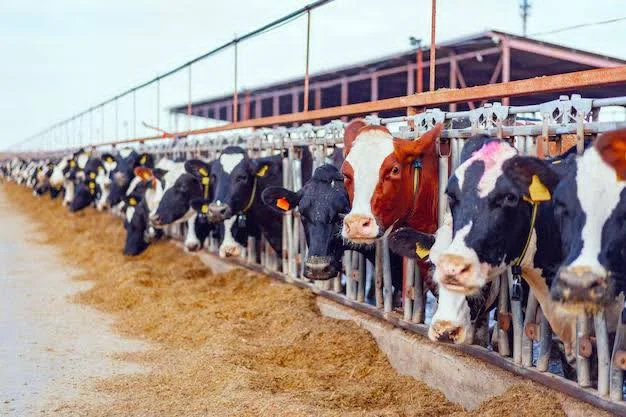
JBS $2.5bn Nigeria investment raises alarm over land loss, pollution, small holder farmers’ survival
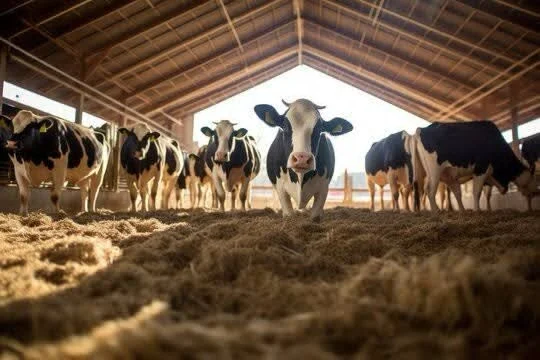
…Environmentalists, researchers demand independent impact assessment as studies reveal contamination of rivers, farmland losses and growing pressure on rural communities
Nigeria’s proposed $2.5 billion investment by global meat-processing giant JBS has triggered renewed concerns over the environmental, social and economic consequences of large-scale industrial animal farming, with environmental rights advocates warning that the country could face serious ecological and livelihood challenges if adequate safeguards are not put in place.
The concerns come amid revelations from existing industrial livestock and slaughterhouse operations across the country, including reported farmland losses, air pollution, water contamination and the discharge of untreated abattoir waste into rivers used by surrounding communities.
At a media training on the real-life impacts of industrial animal farming in Nigeria, organised in Abuja by the Health of Mother Earth Foundation (HOMEF) and Environmental Rights Action (ERA), in collaboration with Youth in Agroecology and Restoration Network and HEDA Resource Centre, environmental campaigners and researchers presented evidence of the consequences of poorly regulated industrial animal production.
The presentation, delivered by Adesuwa James Jang, Founder and Team Lead of Youth for Environmental Sustainability and Development (YESD), examined the environmental, social and economic implications of expanding industrial livestock production, drawing from documented cases in Lagos, Abia and Benue states.
The intervention comes against the backdrop of JBS’s proposed $2.5 billion investment in Nigeria, a five-year plan signed with the Federal Government in November 2024.
The proposed investment involves six major facilities comprising three poultry processing plants, two beef processing plants and a port facility, with Ogun State identified as a major operational hub.
Niger State has also reportedly committed approximately 1.2 million hectares of land to the project.
Although the investment is being presented as an opportunity to expand livestock production, create employment, strengthen food processing and stimulate economic growth, environmental advocates insist that the country must examine the experiences of communities already living with the consequences of industrial animal agriculture before committing extensive land and resources to the proposed expansion.
The economic promise and the livelihoods at risk
Nigeria’s livestock industry is economically significant, with the Federal Ministry of Livestock Development estimating its annual contribution to the economy at about $32 billion.
The poultry industry alone reportedly supports approximately 25 million livelihoods, directly and indirectly, while the country’s livestock population includes about 660 million birds, 58 million cattle, 64 million sheep and 124 million goats.
The government has set a target of increasing livestock’s contribution to the country’s Gross Domestic Product from approximately five per cent to 10 per cent by 2030.
However, the presentation raised questions about who would ultimately benefit from the anticipated expansion and whether large-scale industrial operations could undermine existing livestock producers, particularly smallholder farmers.
According to the presentation, smallholder farmers account for more than 60 per cent of poultry farming in Nigeria but continue to struggle with rising feed costs, expensive day-old chicks and limited access to credit.
While the JBS investment is projected to generate more than 50,000 direct and indirect jobs across its six proposed facilities, the environmental advocates questioned whether the promised employment opportunities would compensate for livelihoods potentially displaced by the industrial model.
They warned that the expansion of large confined animal production systems could marginalise local farmers, increase dependence on costly industrial feed and weaken the economic value of indigenous livestock breeds.
The presentation stressed that the central question should not merely be how many jobs the investment would create, but also how many existing livelihoods could be lost in the process.
Communities already counting the costs
Of particular concern are findings from a study coordinated by HEDA Resource Centre and its partners, which examined the experiences of communities affected by industrial agricultural projects.
The study, cited in the presentation, found that 60 per cent of respondents reported losing farmland to industrial agriculture projects.
Similarly, 76.7 per cent reported suffering air pollution, while 63.3 per cent said nearby factory operations had contaminated their water sources.
Although the study recorded mixed outcomes, the findings point to the potential social and environmental consequences of poorly managed industrial agricultural developments.
The presentation cautioned that the percentages were based on self-reported experiences from several communities and that journalists should establish the study’s sample size and methodology before using the figures as representative of the wider population.
Beyond land loss and pollution, concerns were also raised about the displacement of communities, land acquisition practices, militarisation of affected areas and the casualisation of workers.
Environmental advocates also identified deforestation, tree cutting and chemical spraying as issues requiring closer investigation, particularly where industrial agricultural projects are established close to residential communities and existing farming settlements.
Kara abattoir: A disturbing picture of industrial waste
One of the most striking examples presented was the environmental situation around Kara abattoir, a major slaughtering facility serving Lagos and its surrounding areas.
Studies on the Ogun River reportedly found that blood and wastewater from slaughtering and washing activities at the abattoir were discharged into the river without adequate treatment.
The river is also reportedly used for washing cattle and providing drinking water for livestock, while residents in surrounding communities depend on it for domestic purposes.
This creates a troubling cycle in which untreated slaughterhouse waste enters a water source that is subsequently used by animals and people.
Researchers have also raised concerns about possible risks to consumers because meat processed at the facility is transported daily to Lagos and neighbouring states.
The scale of the problem is underscored by estimates that Lagos slaughters approximately 8,000 cattle daily but has approved only seven abattoirs.
The presentation cited University of Lagos studies on the Ogun River, research published in the Journal of Applied Research and Technology in 2023, and an investigation by the Pulitzer Center in 2021.
For environmental advocates, the Kara experience demonstrates why the expansion of meat-processing facilities must be accompanied by strict wastewater treatment requirements, independent environmental monitoring and effective enforcement of existing regulations.
From Lagos to Abia and Benue: Pollution beyond one location
The environmental challenges are not restricted to Kara.
In Lagos, unlicensed slaughter slabs reportedly leave bones, blood and animal dung in drains and open spaces, contributing to pollution around residential communities.
In Ubakala, Abia State, a 2025 study found that abattoirs were predominantly located close to rivers and streams, while 60 per cent of respondents reportedly said slaughterhouse waste was being burnt.
In Makurdi, Benue State, researchers investigated the presence of heavy metals in the River Benue around the Wurukum abattoir, examining possible contamination associated with untreated slaughterhouse effluent.
The presentation noted that Nigeria accounts for approximately 30 per cent of the meat consumed in West Africa, suggesting that environmental problems associated with meat production and processing could have implications beyond the immediate communities where they occur.
These cases reinforce the need for stronger environmental standards across the livestock value chain, from animal production and slaughtering to waste disposal and meat distribution.
Climate implications of expanding livestock production
The environmental concerns also extend to climate change.
The presentation identified cattle as the largest contributor to livestock-related methane emissions, accounting for approximately 74 per cent of the emissions discussed.
Sheep, goats and other ruminants account for about 22 per cent, while pigs, poultry and other livestock contribute approximately four per cent.
The figures were derived from research indicating that ruminants account for 96.15 per cent of livestock methane emissions.
Nigeria’s livestock population has also expanded considerably, with poultry numbers increasing by 68 per cent between 1991 and 2018, while cattle numbers grew by 67 per cent over the same period.
Although cattle production represents the biggest climate-related concern because of methane emissions, the presentation highlighted the need to address poultry waste and its potential contribution to environmental pollution.
A 2013 laboratory study cited in the presentation found that poultry waste generated more methane-containing gas per kilogram than pig waste under the conditions examined.
The distinction, according to the presentation, is that cattle are a major climate concern because of methane emissions, while poultry production presents significant waste-management and water-pollution challenges.
Public health concerns and disease risks
Health implications were also highlighted, particularly the risks associated with poorly managed livestock production, inadequate waste disposal and the proximity of industrial animal facilities to human settlements.
The presentation cited concerns raised by health experts that industrial livestock operations could contribute to conditions favourable to the spread of zoonotic diseases, including Lassa fever and Mpox.
However, it emphasised that such concerns must be subjected to scientific investigation and should not automatically be presented as established legal or medical findings.
Environmental advocates argued that the potential health consequences of industrial livestock expansion make independent environmental and social impact assessments particularly important.
The demand for transparency and accountability
The emerging concerns have strengthened calls by environmental campaigners for the Federal Government to make the proposed JBS investment more transparent and ensure that affected communities are not excluded from decisions concerning their land, livelihoods and environment.
They are also seeking independent environmental and social impact assessments, public disclosure of project details, adequate consultation with host communities and enforceable safeguards against pollution and displacement.
For journalists covering the proposed investment, the presentation identified three critical questions.
First, were affected communities properly consulted, and was compensation for acquired land fair and adequate?
Second, where will animal waste, wastewater and other industrial effluents go, and are independent environmental and social impact assessments available to the public?
Third, who will benefit economically from the investment, and what will happen to smallholder farmers, livestock workers, local feed producers and food prices?
These questions are particularly significant given the scale of the proposed investment and the amount of land reportedly committed to the project.
Beyond investment figures
Ultimately, the debate surrounding JBS’s proposed Nigerian investment goes beyond the attraction of foreign capital or the number of jobs promised.
It raises fundamental questions about the country’s agricultural development model, the protection of rural livelihoods, food security, environmental sustainability and the rights of communities whose lands and natural resources may be affected.
Nigeria’s livestock sector undoubtedly requires investment, improved technology, better processing facilities and expanded production capacity.
But environmental advocates argue that development should not come at the expense of the country’s rivers, farmlands, biodiversity and the millions of smallholder farmers who sustain the existing food system.
With the government pursuing an ambitious target of doubling livestock’s contribution to GDP by 2030, the challenge is to ensure that economic expansion does not create environmental liabilities and social costs that future generations will be forced to bear.
The experience of communities around existing slaughterhouses and industrial agricultural projects, campaigners insist, should serve as a warning that investment without transparency, regulation and accountability could turn an economic opportunity into a major oenvironmental and livelihood crisis.



Comments