
WAHO seeks stronger regional health systems, medical equipment for 12 ECOWAS countries
The West African Health Organisation (WAHO) has unveiled plans to strengthen healthcare delivery across West Africa, including the procurement of specialised medical equipment for 12 member states, as it seeks deeper regional cooperation in tackling public health challenges.
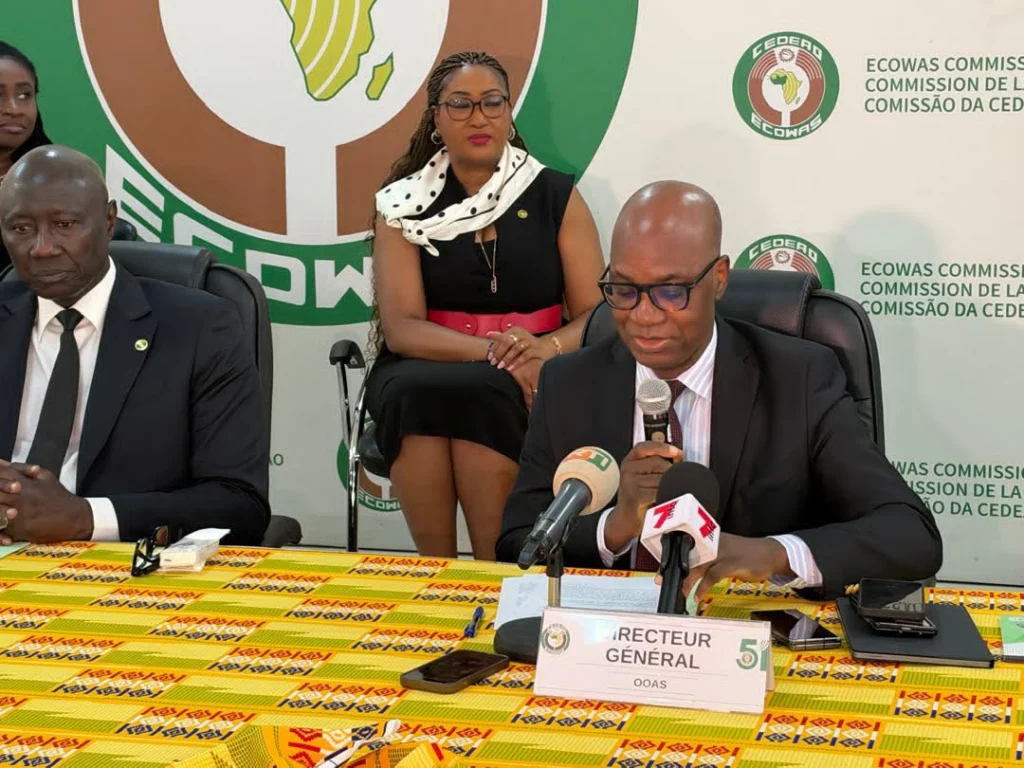
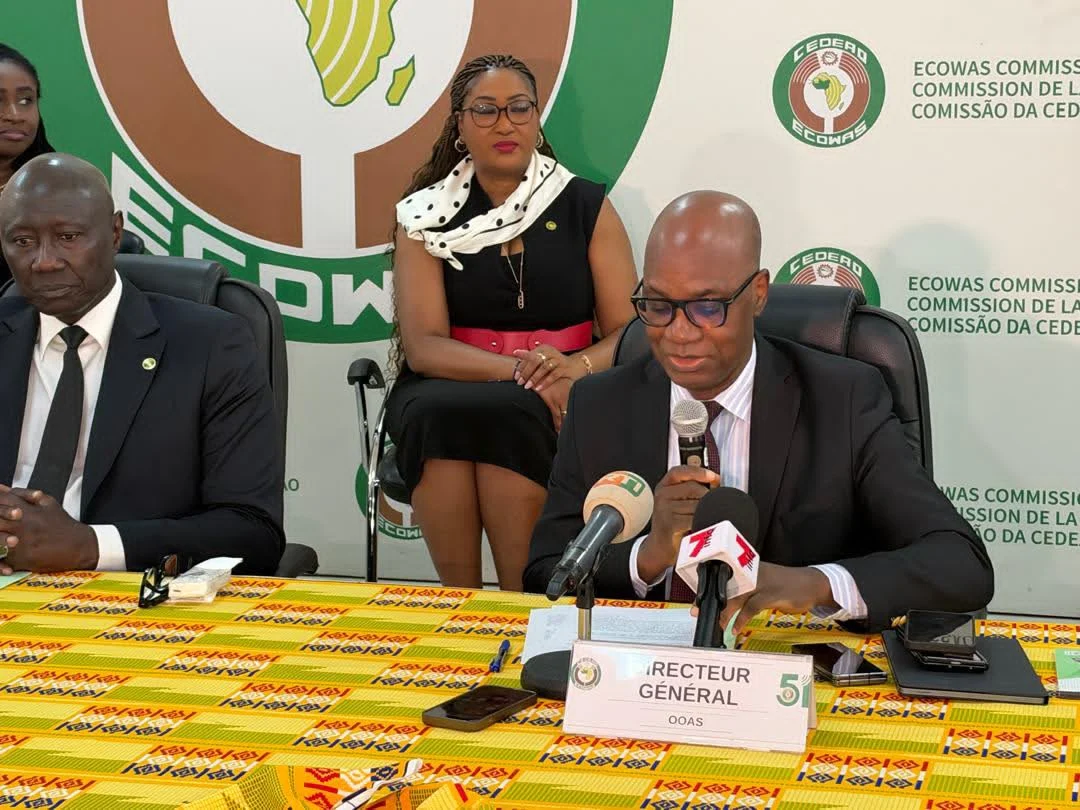
The Director-General of WAHO, Professor Palokinam Pitche, presented the organisation’s priorities to the President of the ECOWAS Commission, General Birame Diop, during a meeting involving heads of ECOWAS institutions in Abidjan, Côte d’Ivoire.
The proposed interventions include the procurement of computed tomography (CT) scanners, ophthalmic equipment and telemedicine facilities, alongside programmes targeting maternal, child and youth health, epidemic prevention and response, and the strengthening of health systems and the pharmaceutical sector.
Pitche disclosed that requests for approval to procure the medical equipment had been submitted to the Commission President as part of efforts to implement recommendations of the ECOWAS Assembly of Health Ministers.
He said WAHO remained committed to prioritising initiatives that would directly improve access to healthcare and strengthen the capacity of member states to respond to emerging and existing health challenges.
The Director-General explained that WAHO, as the specialised health institution of the Economic Community of West African States, supports member countries in harmonising health policies, coordinating interventions and pooling resources to address common public health challenges.
He identified the harmonisation of training curricula for nurses, midwives and doctors as one of the practical examples of regional collaboration, noting that such initiatives would promote common professional standards and improve healthcare delivery across the sub-region.
Pitche also highlighted the importance of strengthening regional capacity in epidemic prevention and response, as well as developing the pharmaceutical sector to improve access to essential healthcare products.
He expressed appreciation to the Ivorian authorities for accommodating WAHO’s personnel and supporting the organisation’s establishment in Grand-Bassam.
Diop, who subsequently travelled to Grand-Bassam, visited WAHO’s temporary premises and the construction site of its permanent headquarters within the Village of Information and Biotechnology (VITIB).
Presenting his Vision 3-6-9, the ECOWAS Commission President urged the various institutions of the regional bloc to strengthen coordination and ensure that their programmes and activities translated into tangible benefits for the people of West Africa.
The visit provided an opportunity to assess WAHO’s institutional development and reinforce the need for greater collaboration among ECOWAS institutions in addressing the region’s development challenges.
Established on July 9, 1987, through Protocol A/P2/7/87 signed by ECOWAS Heads of State and Government in Abuja, WAHO is the regional body’s specialised institution responsible for coordinating health policies and programmes across West Africa.
Its founding mandate is to promote the highest possible standards of health through the harmonisation of member states’ policies, pooling of resources and cooperation in tackling common health challenges.
Over the years, the organisation has supported regional interventions in malaria control, HIV/AIDS, malnutrition, maternal and infant mortality, immunisation, access to essential medicines, disease surveillance and health workforce development.
A significant institutional development came on December 14, 2025, when the ECOWAS Authority of Heads of State and Government decided to transfer WAHO’s headquarters from Bobo-Dioulasso, Burkina Faso, to Côte d’Ivoire.
Grand-Bassam was subsequently selected as the host city. The Ivorian Government officially handed over the keys to WAHO’s provisional headquarters at VITIB on October 8, 2026, pending completion of its permanent headquarters.
The relocation represents a major development in the organisation’s institutional history, as it begins a new phase of operations from Côte d’Ivoire while retaining its regional mandate to coordinate healthcare development across ECOWAS member states.

Comments