

NPC, Lafiya Programme Translate Jigawa Demographic Dividend Roadmap into Hausa
By Ahmed Aminu, Dutse


The National Population Commission (NPC) in Jigawa State, with support from the Lafiya Programme, has begun translating the key messages of the state’s five-year Medium-Term Demographic Dividend Roadmap into Hausa to deepen public understanding and ownership of the policy.
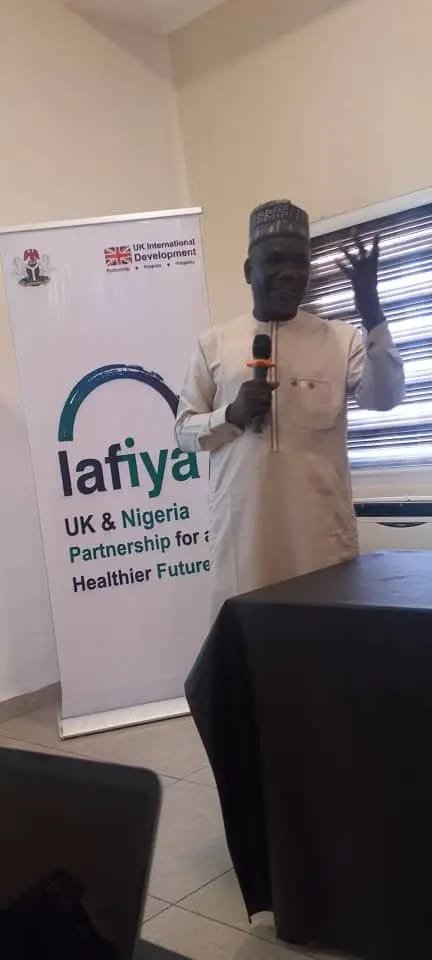
The translation exercise kicked off at a one-day validation meeting held at Galadima Hall, Hasina Confectionery and Restaurant, Dutse, bringing together stakeholders to review and adapt the roadmap’s messages for cultural relevance and clarity.
Declaring the workshop open, the Director of the NPC Jigawa State Office, Hajiya Hannatu Musa Maaji, said the demographic dividend offers the state a rare opportunity to fast-track development if backed by strategic investments in health, education, skills acquisition and job creation.
She noted that validating and translating the messages into local languages would enhance comprehension, strengthen advocacy and improve uptake among communities, policymakers and other stakeholders across the state.
“With our youthful population, deliberate planning, coordinated action and effective communication that resonates with our people are essential to unlocking the demographic dividend,” Maaji said, adding that the exercise would ensure the messages are accurate, culturally appropriate and aligned with Jigawa’s development aspirations.
She stressed that as the agency mandated to provide reliable population data, the NPC is committed to supporting government and partners to use such data for planning, policy formulation and sustainable development outcomes.
Presenting the key messages of the Demographic Dividend Roadmap, Dr. Musa Zakirai, a consultant with the Lafiya Project of the United Kingdom, warned that despite Jigawa’s youthful population, limited access to education and inadequate health services remain major barriers.
According to him, primary school net attendance in the state stands at 53 per cent, with boys at 63 per cent and girls lagging behind at 43 per cent, highlighting persistent gender gaps.
Dr. Zakirai added that progression across education levels is weak, with only 73 per cent of pupils transitioning from primary to junior secondary school, while just 58 per cent advance to senior secondary level.
He further disclosed that dropout rates are estimated at 15 per cent in primary schools and rise to 22 per cent at the secondary level, contributing significantly to the growing number of out-of-school children.
The consultant explained that girls are disproportionately affected due to poverty, early marriage and insecurity, warning that these challenges pose serious risks to the state’s long-term socio-economic growth.
Describing the demographic dividend as the gains achievable when a large working-age population is healthy, skilled and productively engaged, Dr. Zakirai stressed that education, healthcare and effective population management are central to unlocking the opportunity.
On health and wellbeing the first pillar of the strategy, he called for expanded sexual and reproductive health services, improved birth spacing, adolescent-friendly support and culturally sensitive sexuality education.
He also advocated strengthening maternal, neonatal, child and adolescent healthcare through improved skilled care, wider immunisation coverage, enhanced postnatal services and better nutrition, while urging action against harmful practices such as female genital mutilation and sexual violence.
Dr. Zakirai further emphasised the need for targeted nutrition and food security interventions to reduce stunting and anaemia, alongside community-based programmes and the use of technology, media and civil society engagement to improve healthcare access, particularly in rural communities.
He concluded that protecting vulnerable youths through social protection initiatives and targeted support for marginalised adolescents is critical to unlocking Jigawa State’s full demographic potential.

