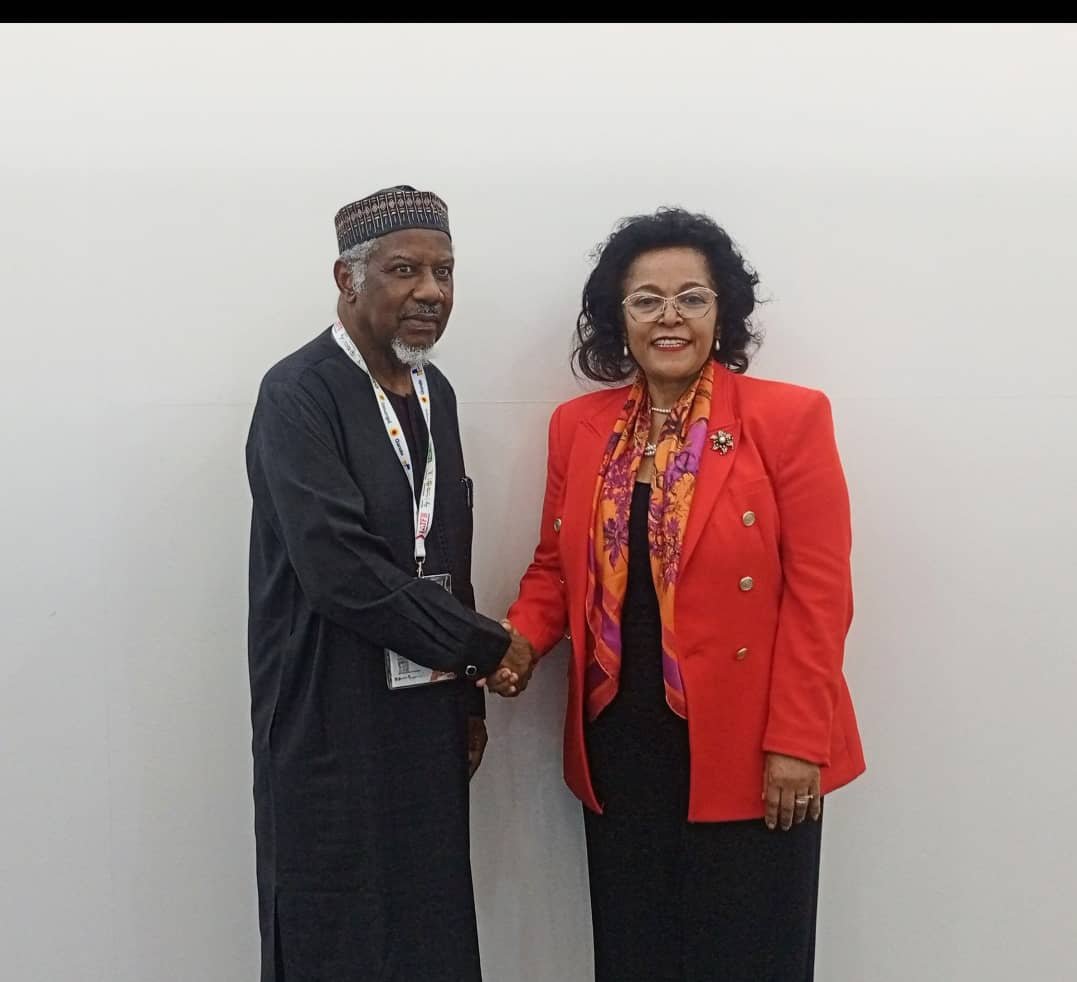


The new Chairman of the Nigerian Shippers Council (NSC), Barrister Ibrahim Shehu Shema, has pledged that the board would work towards strengthening the Nigerian maritime sector, enhance trade facilitation and boost revenue for government.
Shema, a former Governor of Katsina State, made the remarks after the inauguration of the 11-member Board of the Nigerian Shippers Council, on Monday in Abuja.
The NSC chairman thanked President Bola Tinubu for giving them the opportunity to serve, and pledged that the board would discharge its responsibilities with diligence and integrity.
Shema also said that the board would focus on strengthening oversight, adopting best practices, enhancing technology driven operations in the sector, and supporting reforms to improve trade facilitation and revenue generation.
“We assure you that this board will remain faithful to the mandate of the Nigerian Shippers’ Council and work to enhance efficiency, fairness and competitiveness in the sector, in line with existing laws and government policies,” the former Katsina governor said.
The Syndicate reports that members of the board include Maharazu Adamu Dayi, Pius Akutah, Emi Membere-Otaji, John Aluya, Chiji Collins, Funmilayo Olasehinde, Funmilola Rashidat Adeoti, Mele Kolo Giadem, Hafsatu Mohammed, and Uzoamaka Okereke.
Earlier, the Minister of Marine and Blue Economy, Adegboyega Oyetola, who inaugurated the board, said the ministry is undertaking comprehensive reforms to reposition the sector as a vital pillar of economic growth and national development.
He said the inauguration of the board was to ensure accountability and purposeful oversight within the marine and blue economy sector.
“The Board of the Nigerian Shippers’ Council is expected to align fully with these priorities and provide the strategic oversight required to translate policy into measurable outcomes.
“The Nigerian Shippers’ Council occupies a critical position as the designated Port Economic Regulator, entrusted with promoting efficiency, fairness, and transparency in port pricing, charges, and service delivery. The effective discharge of this mandate is essential to reducing the cost of doing business at our ports, facilitating trade, protecting shippers’ interests, and strengthening Nigeria’s competitiveness in regional and global commerce.
“As members of this Board, you bear solemn public trust. You are charged with providing policy guidance, strategic direction, and vigilant oversight in accordance with the law.
Oyetola disclosed that the ministry is undertaking comprehensive reforms to reposition the sector as a vital pillar of economic growth and national development.
“Our focus includes improving port efficiency and competitiveness, strengthening trade facilitation, enhancing marine transportation, deepening fisheries and aquaculture development, expanding coastal and maritime opportunities, and safeguarding environmental sustainability.