
War’s First Casualty: Truth in Nigeria’s Social Media Age
By: Adamu S Ladan
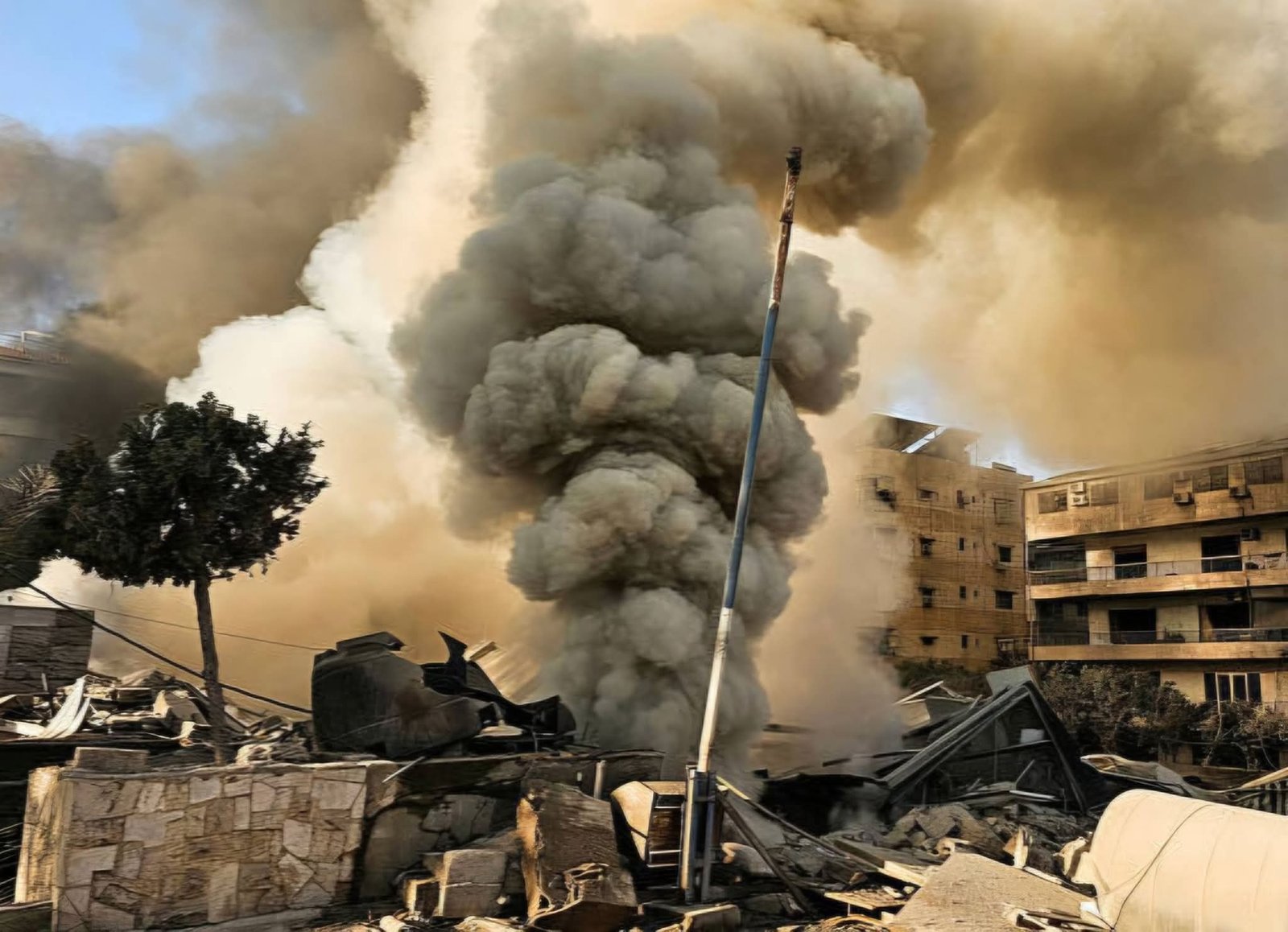
The ancient Greek dramatist Aeschylus is widely credited with the timeless observation that “in war, truth is the first casualty.” Centuries later, that phrase remains profoundly relevant as tensions escalate in the ongoing confrontation involving Israel, the United States, and Iran. While missiles and drones dominate headlines, another war is being fought quietly yet relentlessly—the war for narrative and public perception.
In modern conflicts, information has become as powerful as military hardware. Governments and their allies compete vigorously to shape global opinion, presenting versions of events that justify their actions and delegitimize their adversaries. Official statements, carefully crafted media briefings, and strategic leaks are deployed to influence not only domestic audiences but also international observers.
However, the greatest amplifier of these narratives today is not traditional media but social media. Platforms such as Facebook, X, WhatsApp, and TikTok have transformed millions of ordinary users into instantaneous distributors of information, often without the safeguards of verification or context.
In Nigeria, where social media penetration has grown rapidly over the last decade, global conflicts are increasingly consumed through these digital channels. Images, videos, and dramatic commentary about distant wars circulate widely on phones and computers across the country. Unfortunately, much of this content arrives stripped of context, authenticity, or verification. A video from an old conflict may suddenly be presented as fresh evidence from a current battlefield. Edited clips or sensational claims can quickly trigger outrage, sympathy, or anger among viewers who may have little means to confirm their authenticity.
The result is that many unsuspecting citizens become victims of misinformation and disinformation. Well-meaning individuals share alarming posts believing they are spreading awareness, when in fact they may be amplifying propaganda produced thousands of miles away. In such moments, the battlefield extends into the digital lives of ordinary Nigerians.
This phenomenon is not merely an academic concern. Misinformation has real consequences. It can inflame religious and political sentiments, deepen divisions, and distort public understanding of complex international issues. When false narratives gain traction, they can shape perceptions of entire nations or communities, sometimes fueling hostility that has little basis in reality.
Nigeria, a diverse society with strong religious and cultural connections to the Middle East, is particularly vulnerable to such emotional manipulation. Images or narratives linked to the conflict involving Israel, the United States, and Iran can quickly resonate with different segments of the population, often provoking passionate reactions before the facts are fully understood.
This is why media literacy and responsible communication are more important today than ever before. Citizens must learn to pause before forwarding a viral message, verify sources before sharing dramatic footage, and recognize that not everything circulating online is true. Responsible journalism and credible news institutions must also continue to play their vital role in separating fact from propaganda.
Ultimately, wars will end, treaties will be signed, and historians will eventually reconstruct the events with greater clarity. But during the heat of conflict, the fog of misinformation can be as dangerous as the weapons on the battlefield.
For Nigerians navigating the digital age, the lesson is clear. In a world where information travels faster than truth, vigilance is essential. If indeed truth is the first casualty of war, then protecting it must become the responsibility of every informed citizen.