
Nigeria–UAE trade pact opens duty-free access for 7,000 Nigerian products

Nigeria and the United Arab Emirates, UAE, have signed a Comprehensive Economic Partnership Agreement, CEPA, a landmark trade deal expected to significantly expand market access for Nigerian goods and services, attract quality investments, and support economic diversification.
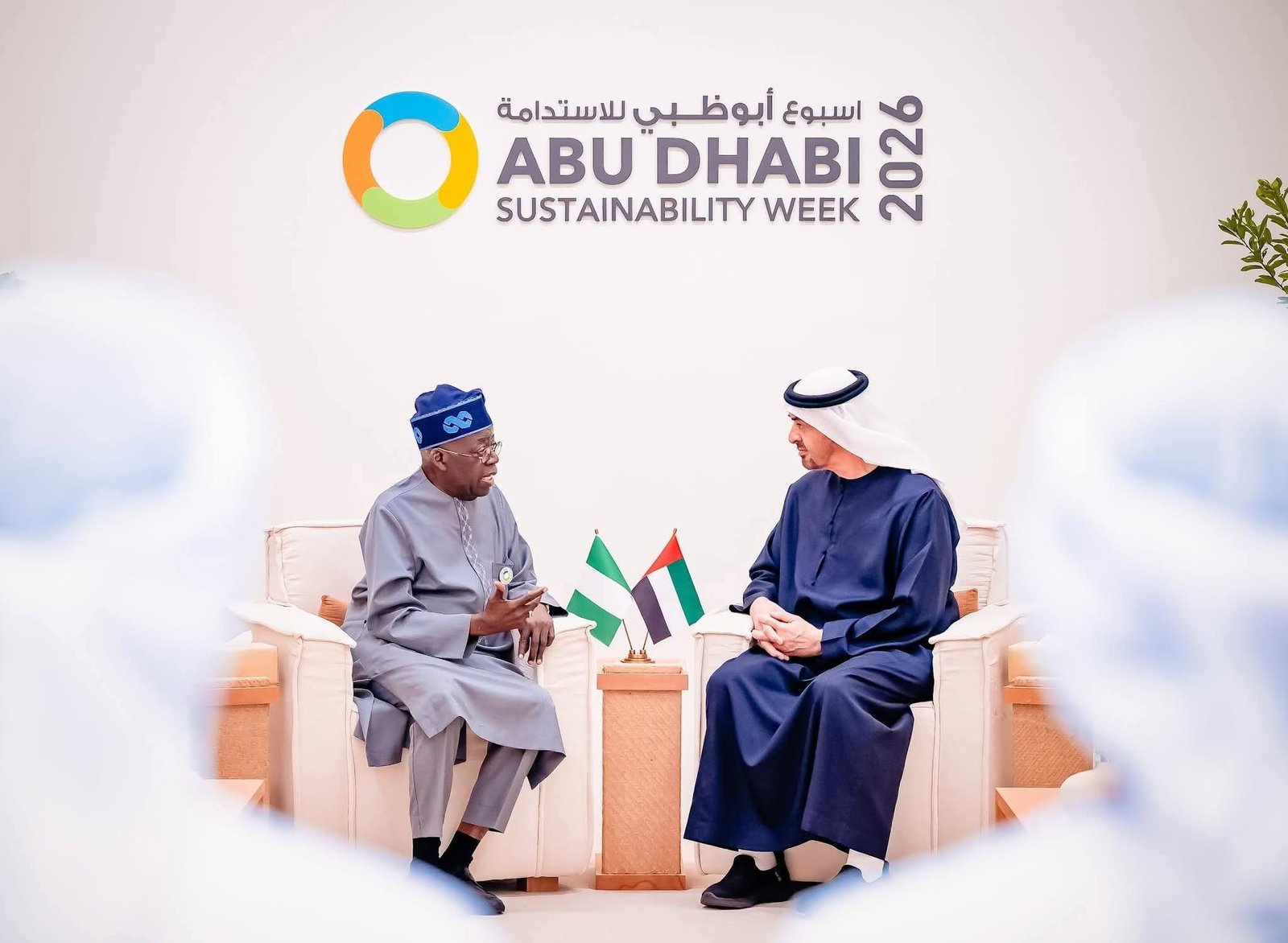
The agreement was signed in Abu Dhabi on Tuesday, with Nigeria’s Minister of Industry, Trade and Investment, Dr Jumoke Oduwole, describing it as a historic milestone in bilateral trade relations between both countries.
According to the minister, who also served as Nigeria’s chief negotiator, the CEPA is the outcome of extensive negotiations led by the Federal Ministry of Industry, Trade and Investment.
Under the agreement, the UAE will immediately eliminate tariffs on more than 7,000 Nigerian products, giving exporters duty-free access to one of the world’s most dynamic trading hubs.
Dr Oduwole said agricultural and industrial products such as fish and seafood, oil seeds, cereals, cotton, pharmaceuticals, chemicals and related goods will now enter the UAE market without tariffs.
She added that within the next three to five years, the UAE will also remove tariffs on Nigerian exports including machinery, vehicles, electrical equipment, apparel and furniture, providing Nigerian manufacturers with a clear and competitive export pathway.
The minister noted that Nigerian companies will also be able to establish corporate entities, branches and subsidiaries in the UAE, further deepening business ties between both countries.
As part of the agreement, Nigerian business visitors can enter the UAE for up to 90 days within a 12-month period to explore trade and investment opportunities.
In addition, Nigerian managers, executives and specialists working with multinational firms will be able to relocate to the UAE as intra-corporate transferees for renewable three-year periods, a move expected to enhance skills transfer and professional mobility.
Dr Oduwole said the CEPA addresses long-standing barriers to foreign direct investment by providing clarity and confidence for UAE investors interested in Nigeria’s productive sectors.
According to her, the deal will support Nigeria’s industrialisation drive, improve transport and logistics connectivity, and contribute to job creation, particularly for the country’s growing youth population.
On its part, Nigeria has agreed to eliminate tariffs on about 6,000 products, with roughly 60 per cent of these tariffs removed immediately and the rest phased out over five years.
The minister explained that the affected imports are mainly industrial inputs, capital goods and machinery needed to strengthen Nigeria’s productive capacity. She stressed that Nigeria’s Import Prohibition List remains in force.
In the area of services, Nigeria’s commitments under the agreement cover 99 specific services across 10 sectors, including business services, communications, transport, financial services, construction, distribution, health, environmental services, recreation and tourism.
Describing the CEPA as a strategic tool for economic transformation, Dr Oduwole said the agreement positions Nigeria as a key gateway for investors seeking access to the African Continental Free Trade Area (AfCFTA) market of over 1.4 billion people.
She disclosed that Nigeria has already recorded increased participation from UAE institutional investors, including First Abu Dhabi Bank, particularly in infrastructure financing.
According to her, UAE-backed financing is supporting major projects such as the Lagos–Calabar Coastal Road, reflecting growing investor confidence in Nigeria’s macroeconomic reforms. She also noted the role of Sky Capital in supporting the CEPA negotiations and promoting Nigeria’s investment readiness.
The minister said the agreement is expected to accelerate deals in agriculture, real estate, digital banking, retail and infrastructure financing.
Dr Oduwole said the CEPA is fully consistent with Nigeria’s obligations under the World Trade Organisation (WTO), AfCFTA, and ECOWAS frameworks.
She assured that the Ministry of Industry, Trade and Investment, working with agencies such as the Nigeria Customs Service, Nigerian Export Promotion Council, Nigerian Investment Promotion Commission and the Standards Organisation of Nigeria, will ensure swift implementation.
According to her, these agencies will provide the necessary information, facilitation and support to help Nigerian businesses and investors fully benefit from the agreement, in line with President Tinubu’s “Nigeria First” directive.
The minister commended members of Nigeria’s negotiation team, including technical advisers, the Nigerian Office for Trade Negotiation, the Ministry of Justice and other relevant ministries and agencies, for their roles in securing the deal.
She also praised the UAE Minister of Foreign Trade, Dr Thani bin Ahmed Al Zeyoudi, and his team for their cooperation.
Addressing the Nigerian private sector, Dr Oduwole urged businesses to take advantage of the expanded market access, stressing that the agreement was negotiated with Nigerian enterprises in mind.
“Nigeria is open for business, and Nigerian businesses now have open access to the UAE, the Middle East and the rest of the world,” she said.