

UK, Nigeria Deepen AI Governance Partnership, Push International Standards
By Editor 
The United Kingdom and Nigeria have intensified collaboration on artificial intelligence (AI) governance and digital transformation, with both countries exploring the adoption of international standards to strengthen regulatory oversight, build public trust and attract investment into Nigeria’s digital economy.
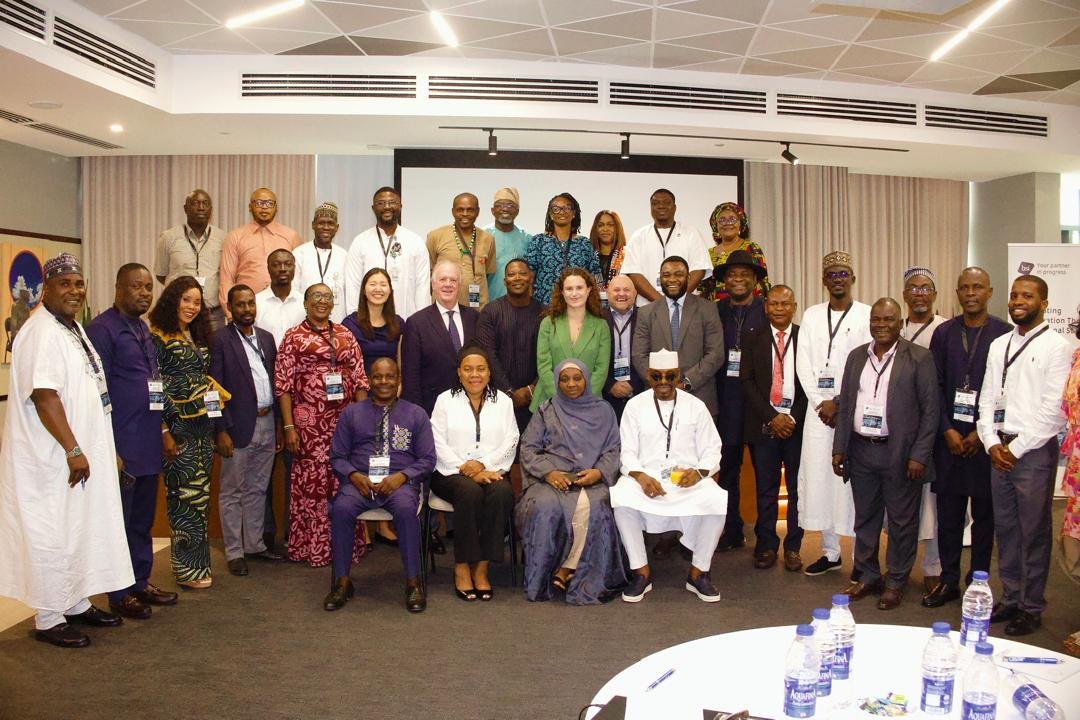
The renewed partnership was highlighted during a four-day programme organised by the British Standards Institution (BSI) in collaboration with the National Centre for Artificial Intelligence and Robotics (NCAIR) under the UK Government’s Digital Access Programme.
The programme featured an executive workshop on AI governance and standards, bringing together senior government officials, regulators and technology practitioners to examine practical approaches to managing AI-related risks, strengthening institutional oversight and promoting responsible deployment of emerging technologies.
At a high-level reception in Abuja marking the close of the programme, the British High Commission said the initiative reflected the UK’s commitment to supporting Nigeria’s digital transformation agenda and strengthening the institutional foundations needed to harness AI for economic growth.
The workshop focused on internationally recognised frameworks for AI management, risk assessment and accountability, including ISO/IEC 42001, which provides requirements for AI management systems, and ISO/IEC 23894, which offers guidance on AI risk management.
Speaking at the event, the British High Commission’s First Secretary for Economic Partnerships and Digital, Grace Bell, said AI offered significant opportunities for economic growth, innovation and social development but required effective governance to ensure its benefits could be realised safely.
“Artificial Intelligence presents enormous opportunities for economic growth, innovation and social development. However, realising these benefits requires the right governance frameworks, strong institutions and trusted standards that can underpin safe, secure and responsible adoption,” she said.
Bell said the partnership with BSI and Nigerian institutions reflected a shared commitment to making international standards a foundation for innovation, investment, trade and public confidence in emerging technologies.
“The UK is proud to support Nigeria’s digital transformation journey. Our collaboration with BSI, NITDA, SON, and the Federal Ministry of Communications, Innovation and Digital Economy reflects a shared belief that standards are not simply technical tools; they are strategic enablers of innovation, investment, trade and public trust,” she said.
She added that aligning with internationally recognised standards could create conditions for sustainable digital growth while expanding opportunities for businesses, governments and citizens.
The partnership involves several Nigerian institutions, including the National Information Technology Development Agency (NITDA), Standards Organisation of Nigeria (SON), Nigeria Data Protection Commission (NDPC) and NCAIR, with a focus on building capacity, supporting policy engagement and promoting the application of international standards to emerging technologies.
Beyond AI governance, the collaboration covers digital trust, data governance, cybersecurity, smart infrastructure, digital public services and electronic waste management, reflecting efforts to establish common standards for Nigeria’s expanding digital ecosystem.
Representing the Nigerian government, NCAIR National Coordinator, Dr Olubunmi Ajala, underscored the importance of developing national expertise and institutional capacity to govern AI, commending the UK government and BSI for their continued support.
Ajala said the collaboration had moved beyond theoretical discussions about emerging technologies towards building institutional capacity that would enable Nigeria to manage its digital transformation priorities.
He also called for the establishment of a permanent cross-government community of practice to sustain knowledge-sharing and coordination among public institutions involved in AI governance.
The workshop culminated in the recognition of participating officials who completed the programme, adding to the pool of public-sector personnel equipped to advance responsible AI adoption across Nigeria’s public and private sectors.
In a related development, BSI held engagements with the National Environmental Standards and Regulations Enforcement Agency (NESREA) and the Foreign, Commonwealth and Development Office’s Climate Finance team to assess electronic waste management models in Nigeria and identify opportunities to strengthen cooperation on digital trade standards.
The engagements broadened the partnership beyond AI regulation to address other challenges associated with digital expansion, including environmental sustainability and the need for trusted standards to facilitate cross-border trade.
The collaboration comes as Nigeria seeks to expand its digital economy and strengthen the policy and regulatory frameworks governing emerging technologies. The adoption of internationally recognised standards is expected to support greater interoperability, improve cybersecurity and data protection, and provide clearer frameworks for organisations deploying AI systems.
The British High Commission said it would continue working with BSI and Nigerian institutions to promote standards-led innovation and support a digital economy that is inclusive, secure and sustainable.


