
UBEC, IGEN Seek Integration of Climate Education, Green Skills in Nigerian Schools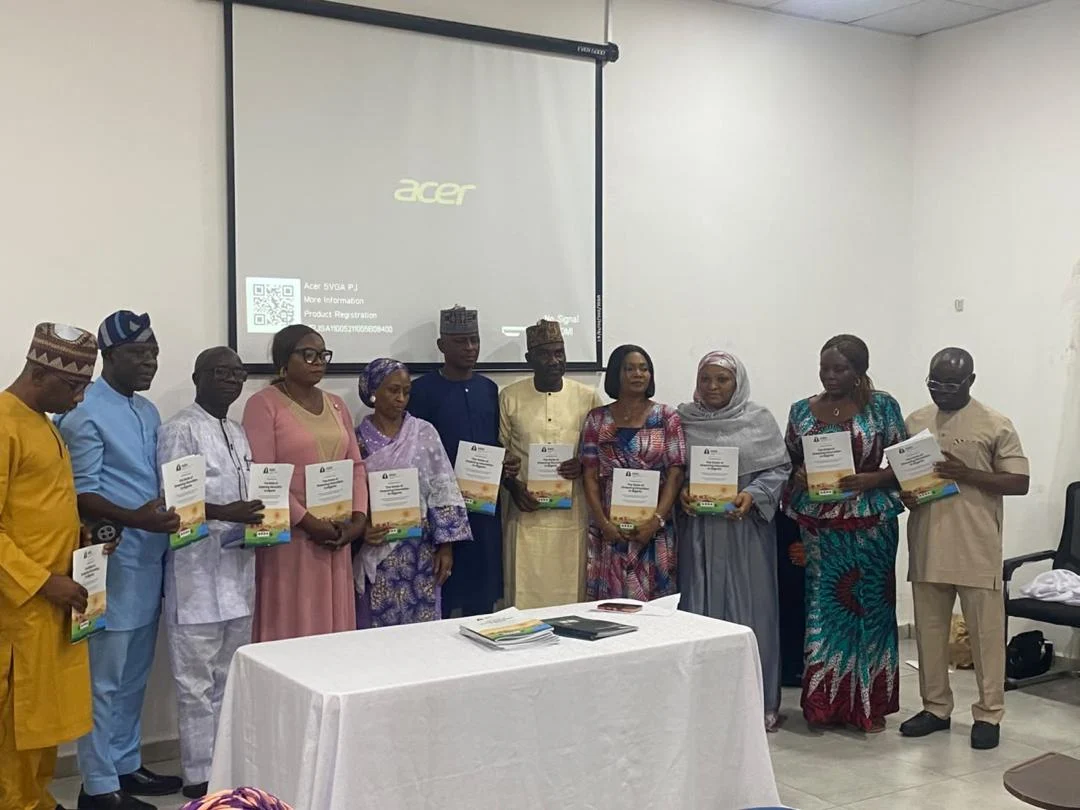
The Universal Basic Education Commission (UBEC) and the Institute for Greening Education in Nigeria (IGEN) have called for urgent integration of climate change education, environmental sustainability and green skills development into Nigeria’s education system, warning that schools must be repositioned to prepare young people for the growing challenges of climate change.
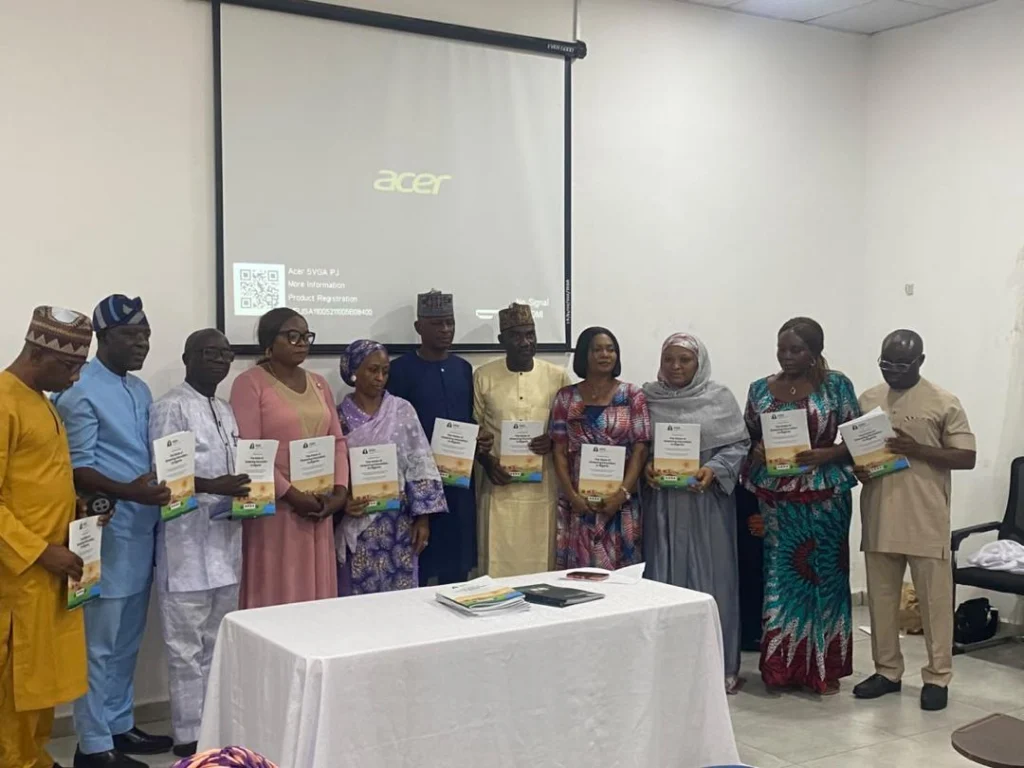
The institutions made the call on Thursday in Abuja at the Technical Working Group Meeting on the Greening Schools and Climate Change Education Intervention (GSCCEI), which also featured the launch of the State of Greening Education in Nigeria Report and Policy Brief.
They stressed that Nigeria’s response to climate change and environmental degradation must go beyond government policies and environmental campaigns to embed sustainability in school curricula, infrastructure, teacher training and practical skills development.
Speaking at the event, Deputy Director, Academic Services, UBEC, Dr Lydia Gbagi, who represented the Director of the Department, Mrs. Blessing Obinatu, said the commission was committed to transforming Nigerian schools into environmentally responsible, climate-resilient and sustainable learning environments.
She said the GSCCEI was designed to equip learners not only with academic knowledge but also with the values, competencies and practical skills needed to respond effectively to environmental challenges.
Providing an update on the programme, Gbagi disclosed that 33 states, including the Federal Capital Territory (FCT), had benefited from capacity development and step-down training through their State Universal Basic Education Boards (SUBEBs).
She said the training covered climate change education, integration of environmental sustainability into teaching and learning, establishment of Climate Change and Green Champions Clubs, practical greening activities, as well as improved monitoring and reporting mechanisms.
According to her, the intervention has also facilitated the development of state-level master trainers who would extend the training to local government areas and schools to ensure wider implementation.
Gbagi said UBEC had developed implementation guidelines and training materials to institutionalise the programme across the states.
The materials include the GSCCEI Implementation Guidelines, Handbook for Climate Change and Green Champions Clubs, and guidelines for Green School and Climate Change Interventions.
She further disclosed that the National Greening Schools Programme (NGSP) had been developed as a broader framework for advancing greening education in Nigeria, with seven strategic pillars guiding its implementation.
She said the initiative aligned with the Federal Government’s education reform agenda, the Nigeria Education Sector Renewal Initiative, Climate Change Act 2021, Nigeria’s Nationally Determined Contributions and UNESCO’s Greening Education Partnership.
On the newly launched report and policy brief, Gbagi said the publications would help assess the state of greening education in Nigeria, identify implementation gaps and provide evidence-based recommendations for strengthening climate change education.
She described the policy brief as particularly important in translating research findings into practical recommendations for policy formulation, institutional coordination, resource mobilisation and programme implementation.
In her remarks, Deputy Director, Academic Services, UBEC, Dr Lydia Gbagi, described the publications as an important milestone in efforts to make education a strategic instrument for tackling climate change, protecting the environment and building a sustainable future.
She warned that climate change, environmental degradation, biodiversity loss and unsustainable consumption were increasingly affecting communities, livelihoods and education systems, requiring coordinated and sustained responses.
On his part, Robinson said educational institutions, including primary and secondary schools, universities and technical and vocational institutions, must become centres of environmental responsibility, climate awareness, innovation and sustainable development.
He stressed that greening education should not be limited to teaching learners about climate change but must involve integrating sustainability into education policies, curricula, school infrastructure, institutional management, teacher development and practical skills acquisition.
According to him, IGEN was established to promote the integration of environmental sustainability, climate change education and green skills across Nigeria’s education system.
He said the report provided a foundation for advancing that mission by documenting existing progress, identifying challenges and proposing measures to strengthen policy, institutional coordination, implementation and accountability.
However, Robinson warned that the impact of the publications would depend on the willingness of governments and other stakeholders to translate their recommendations into concrete action.
“The real value of this report lies not merely in its publication, but in the actions that follow,” he said, urging stakeholders to prioritise interventions that would directly benefit schools, teachers, learners and communities.
He called for sustained collaboration among federal and state governments, education agencies, development partners, civil society organisations and the private sector to advance the initiative.
The IGEN executive secretary also advocated increased investment in teacher development and the capacity of education administrators, alongside the promotion of climate-smart schools and green skills acquisition among young Nigerians.
He said equipping learners with relevant green skills would prepare them for emerging employment and enterprise opportunities in the green economy while enabling them to contribute to national environmental sustainability efforts.
Robinson urged stakeholders to adopt the report as a shared national resource and practical guide for strengthening greening education.
He commended the African Centre for Environment, Agriculture and Rural Development, the Green Schools International Foundation, researchers and other partners for their contributions to the publications, while acknowledging the support of IGEN’s Governing Council.
The report and policy brief are expected to provide a reference point for strengthening environmental sustainability in Nigeria’s education sector through improved policies, institutional collaboration, teacher capacity development and practical climate action in schools.
Both institutions maintained that integrating sustainability and green skills into education would be critical to preparing Nigerian children and young people for the demands of a changing environment and emerging opportunities in a greener economy.


Comments