
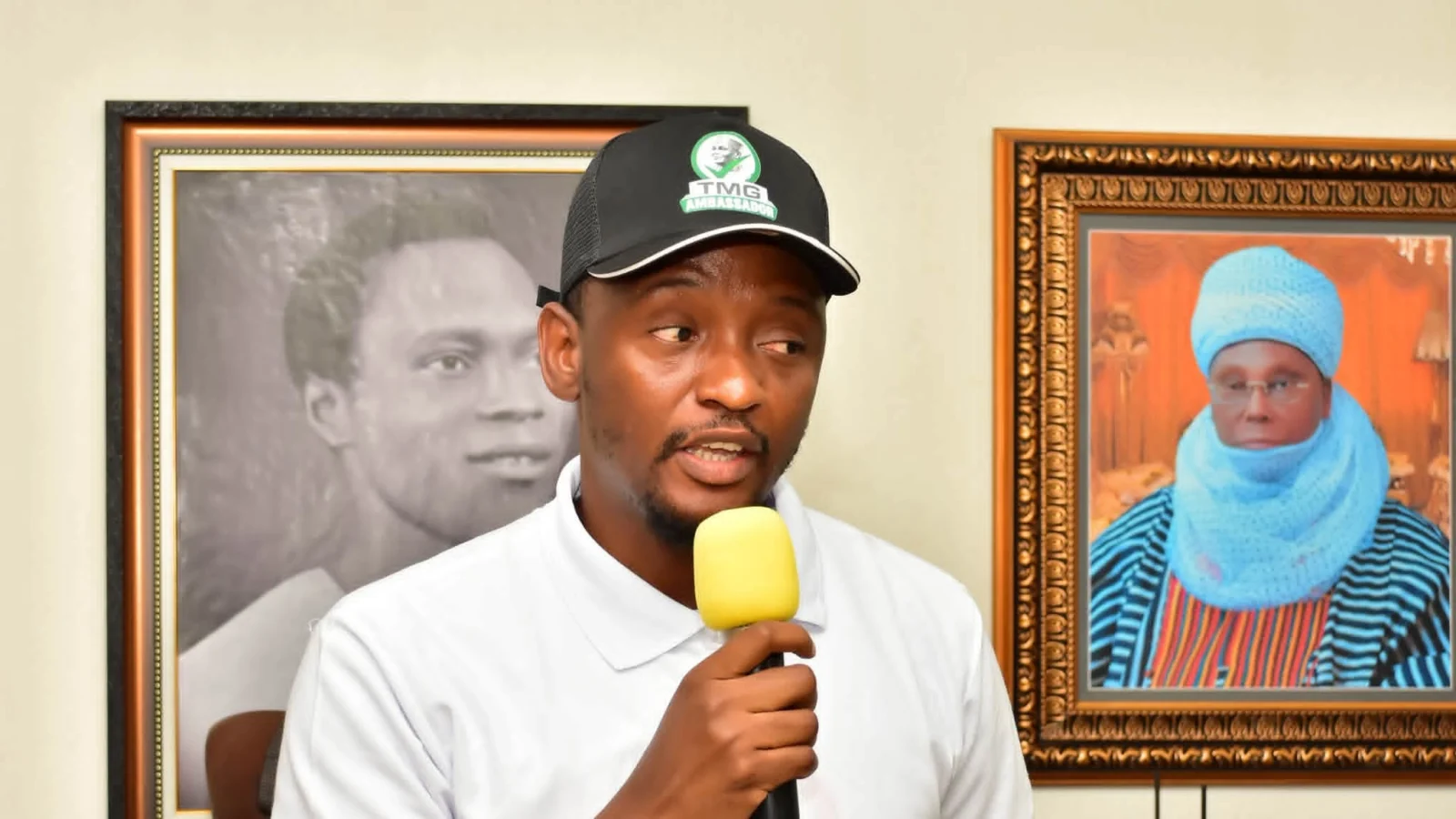
By Abba Hikima
A nation is in serious danger when those who should defend its people become accomplices in their oppression. It is even more tragic when the people who should be speaking truth to power begin to protect power, those who should be educating society begin to manipulate it, and those who should be holding leaders accountable become beneficiaries of the very system they ought to challenge. This is exactly what we are witnessing in Nigeria. The betrayal of the people is no longer confined to those who occupy public offices; it has extended to the very people and institutions from whom society should ordinarily expect moral courage, intellectual honesty and political accountability.
I have written before about three critical institutions of our democracy that have abandoned their inherent constitutional responsibilities and chosen to dine with the power brokers; talking about the National Assembly, INEC and the judiciary. These are institutions established to protect democracy, restrain executive excesses and uphold the Constitution. Yet, they have increasingly become weak, compromised and incapable of providing the checks and balances expected of them. But the betrayal of the Nigerian people does not end with these institutions. There is an equally disturbing betrayal by individuals who, by virtue of their positions, influence, knowledge and experience, should be standing firmly with the people.
The first are religious clerics who have turned the pulpit into an instrument of partisan politics. They have abandoned the moral independence expected of religious leaders and converted platforms meant for religious instruction, moral guidance and speaking truth to power into political campaign grounds. There is nothing wrong with clerics condemning bad governance or demanding accountability. That is part of their responsibility. But endorsing political candidates, mobilising congregations for partisan interests and using religious authority to legitimise politicians is an abuse of the pulpit. It is religious opportunism, and those who engage in it are betraying the trust of the people who look up to them for spiritual guidance. A pulpit is not a political party secretariat, and a cleric should not become a political campaigner in religious clothing.
The second category comprises activists and intellectuals. Some of those who built their reputations on fearless criticism of government and independent thinking have become political contractors. They have accumulated followership by presenting themselves as defenders of the people, only to turn around and enter into political arrangements with those in power while concealing their affiliations. Others have abandoned intellectual honesty and become professional defenders of indefensible political positions. They manufacture arguments, twist facts and engage in intellectual gymnastics simply to justify the actions of those they have chosen to serve. This is not activism; it is political opportunism. It is not intellectualism; it is intellectual dishonesty.
There is nothing wrong with an activist supporting a political party or candidate. The problem is hypocrisy: pretending to be independent while secretly working for political interests. Those who have made political choices should have the decency to disclose their loyalties. They should stop deceiving people who follow them because they believe they are listening to independent voices. You cannot collect the trust of the people under the pretence of independence and then secretly sell that trust to political interests.
The third category comprises political elders and so-called statesmen who have reduced politics to opportunism and the pursuit of personal relevance. Some of these people have occupied the highest political offices in the country, yet their present conduct exposes a troubling absence of principle and consistency. Political negotiation is one thing; political prostitution is another. Political experience should produce statesmanship, not political opportunism. Those who have spent years condemning the failures, excesses and misconduct of political parties and governments cannot suddenly accommodate similar practices simply because political convenience demands it. That is hypocrisy, not statesmanship. The title of elder or statesman should not become a shield against scrutiny or an excuse for abandoning one’s principles.
My position is that the APC of today is fast becoming what the PDP became before the 2015 elections: a political sanctuary for politicians and interests that Nigerians had become increasingly dissatisfied with. It is becoming a convenient destination for people seeking political protection, relevance, patronage and access to power, regardless of their records or the circumstances under which they left their former political homes. It is difficult to distinguish this growing political migration from the same opportunistic politics that Nigerians once rejected.
Even more disturbing is the party’s growing dominance over institutions that should guarantee democratic competition and accountability. The National Assembly, INEC and the judiciary cannot be allowed to function as though their constitutional obligations are subordinate to the interests of the ruling party. The APC may have more governors, legislators and political officeholders than other parties, but it has no superior constitutional status. No political party is above the law, and no ruling party has the right to turn the institutions of the Republic into extensions of its political machinery.
This is why the APC must be confronted politically, legally and intellectually. If we are to have a nation, trusted political activists must stop being political contractors masquerading as independent voices. Intellectuals must stop prostituting their knowledge to defend indefensible positions. Clerics must stop exploiting religion to advance partisan interests. And political elders must stop disguising political opportunism as statesmanship.
The Nigerian people have suffered enough to deserve honesty from those who claim to represent, educate or defend them. We cannot continue to tolerate people who speak like opposition figures in public but work for the ruling party behind closed doors. We cannot tolerate religious leaders who preach accountability but practise political favouritism. We cannot tolerate intellectuals who abandon reason whenever their political interests are threatened.
Following my decision to decline the land offer from the Kaduna State Government, many people described me as perhaps the last activist standing. That cannot be the case. While I appreciate the sentiments, I do not make these observations to claim moral superiority, exempt myself from the charge or solicit public trust. I should also be watched and counseled and remembered of the need to continue on the path of logic, truth and conscience. If we must have a country worth defending, we must guard our conscience and refuse to surrender our principles for political convenience.
The greatest danger facing Nigeria is not simply the recklessness of those in power. It is the hypocrisy of those who condemn that recklessness in public while benefiting from it in private. It is the opportunism of those who have turned public trust into political currency. It is the complicity of those who should be holding power accountable but have chosen instead to protect it.
When clerics become political merchants, activists become political contractors, intellectuals become hired defenders and statesmen become political opportunists, the people are left at the mercy of those who govern them. That is not merely a failure of leadership. It is a collective betrayal of the people.
Comments